

Quick Facts
- Website design affects SEO, usability, and search visibility.
- A clear site structure helps users and search engines navigate pages.
- Fast-loading websites improve engagement and reduce abandonment.
- Mobile-friendly design supports better user experience across devices.
- Strong UX signals can help improve rankings and conversions.
What’s In This Guide
A website’s design does more than shape visual appeal. It also influences how users interact with content, how search engines understand pages, and how effectively a business performs online. From loading speed and mobile responsiveness to navigation and usability, modern websites are expected to deliver smooth, reliable experiences across all devices.
As search engine algorithms continue prioritizing user experience and technical performance, businesses can no longer separate design from SEO strategy. This is where web design SEO becomes important. A well-structured website helps improve visibility, supports engagement, and creates a stronger digital presence overall.
Here are the key ways website design impacts SEO and rankings.
Why Website Design Matters for SEO

Google Prioritizes User Experience
Google’s Search Central documentation confirms that page experience matters because users prefer websites that load quickly, work well on mobile devices, and provide stable interactions. This includes mobile friendliness, HTTPS security, and Core Web Vitals.
When visitors encounter slow pages, cluttered layouts, or difficult navigation, engagement drops. That weakens important UX signals tied to search performance, including session duration and bounce behavior.
Design Impacts Crawlability
Crawlability refers to how easily search engines discover and index website pages. In web design SEO, poor design can create technical barriers that prevent Google from understanding site content.
Common design issues that hurt crawlability include:
- Broken navigation
- Excessive JavaScript rendering
- Orphan pages without internal links
- Poor URL organization
- Infinite scroll without proper pagination
Engagement Metrics Affect Visibility
Website visitors often judge a business based on how its website looks and functions. If a site appears outdated, cluttered, or difficult to navigate, users are more likely to leave quickly.
Poor engagement can contribute to:
- Higher bounce rates
- Lower dwell time
- Reduced conversions
- Lower return visits
The Role of Site Structure in SEO
Site structure organizes content into a logical hierarchy. This helps search engines understand relationships between pages while guiding users toward relevant information.
A strong structure supports:
- Better indexing
- Faster navigation
- Improved internal linking
- More efficient authority distribution
For example, service pages grouped under clear categories make it easier for Google to understand topical relevance.
Elements of an SEO Friendly Website Structure
An SEO friendly website typically includes:
- Logical URL hierarchy
- Clear navigation menus
- Breadcrumbs
- Internal linking
- XML sitemaps
- Mobile-friendly navigation
Common Site Structure Mistakes
Several structural problems can weaken rankings:
- Duplicate content paths
- Deep page hierarchies
- Broken links
- Thin category pages
- Unoptimized mobile menus
Core Web Vitals and Website Performance
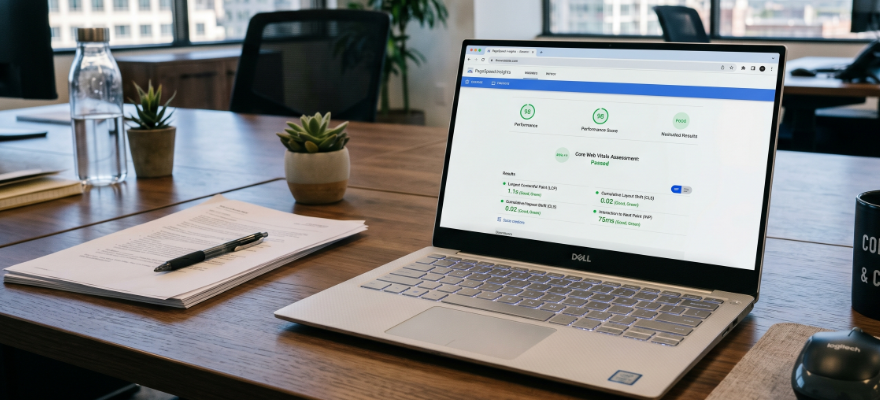
Core Web Vitals are Google’s performance metrics for evaluating page experience:
- Largest Contentful Paint (LCP): Loading Speed
- Interaction to Next Paint (INP): Responsiveness
- Cumulative Layout Shift (CLS): Visual Stability
Google recommends an LCP under 2.5 seconds for optimal user experience.
How Poor Design Hurts Performance
Heavy design elements often slow websites significantly. Common causes include:
- Large image files
- Excessive animations
- Bloated code
- Third-party scripts
- Auto-playing videos
Business Impact of Slow Websites
Website speed directly affects revenue. Deloitte found that improving mobile speed by just 0.1 seconds increased conversion rates by up to 8% for retail brands.
Slow websites can lead to:
- Lower organic rankings
- Reduced lead generation
- Decreased user trust
- Poor conversion performance
➤ READ NEXT: 5 High-Converting Web Design Trends for 2026
How to Build an SEO Friendly Website
Step 1: Plan SEO Before Design
SEO should shape website architecture from the beginning. This includes:
- Keyword mapping
- Navigation planning
- URL structure development
- Content hierarchy organization
Step 2: Improve Technical Performance
Technical optimization should prioritize:
- Fast loading speeds
- HTTPS security
- Mobile responsiveness
- Clean coding practices
Step 3: Strengthen Internal Linking
Internal links improve crawlability while guiding users toward important pages. Strategic linking also helps distribute authority across the website.
Step 4: Monitor UX Signals
Use tools like:
- Google Analytics
- Google Search Console
- PageSpeed Insights
Frequently Asked Questions

What is the connection between mobile design and SEO?
Mobile design affects how websites perform on smartphones and tablets. Responsive design helps pages work across screen sizes. Better mobile usability supports stronger search visibility.
How often should a website be updated?
Websites should be reviewed regularly for speed, security, usability, and content quality. Updates help fix technical issues and keep the site competitive. Regular maintenance supports SEO performance.
Why are clean URLs important for SEO?
Clean URLs help search engines, and users understand page content more easily. Simple URLs improve navigation and organization. They also support better indexing.
Why is consistent design important for websites?
Consistent design helps create a smoother user experience across pages. It makes navigation more predictable and improves readability. Consistency also strengthens brand credibility.
Can broken links affect SEO performance?
Yes, broken links can make it harder for search engines to crawl a website. They also create poor user experiences. Fixing broken links helps improve usability and crawlability.
Improve Rankings With Smarter Website Design
Website design now plays a direct role in SEO performance. Strong site structure, better crawlability, optimized Core Web Vitals, and positive UX signals all contribute to stronger rankings and better user engagement.
Businesses that invest in thoughtful, performance-focused design create better experiences for both users and search engines. Companies like Miami Website Design Professionals help businesses build websites that combine modern design, technical SEO, and usability to support long-term search visibility and growth.
Contact Miami Website Design Professionals to learn how strategic website design can improve your online visibility and performance.