
What Is the Difference Between SEO and SEM?
- Miami Website Design Professionals' Team
The difference between SEO and SEM is simple: SEO drives visibility through unpaid (organic) search results, while SEM uses paid strategies (primarily search ads) to place your business in front of searchers immediately.
The confusing part is how modern marketers use the term SEM, and how quickly search behavior is shifting. Today, businesses that rely only on “free traffic” or only on ads often lose ground to competitors who build both channels intentionally.
Search has changed fast. Google continues to prioritize helpful, reliable, people-first content, and it’s increasingly capable of understanding meaning, quality, and real-world expertise, not just keyword usage. That matters especially for companies investing in local SEO services, where competition is high and local intent drives most purchase-ready search behavior. Google’s own documentation emphasizes building content and pages for users first, not for search engines, because ranking systems are designed to surface content that genuinely helps people.
This guide breaks down SEO vs SEM, explains where they overlap, and shows how to use both strategically for growth, especially for businesses competing locally in markets like Miami.
Highlights
✔ SEO earns long-term organic traffic; SEM buys fast visibility through paid ads.
✔ SEO compounds over time; SEM performs immediately but requires ongoing spend.
✔ Local SEO services are essential for businesses competing in map packs and “near me” searches.
✔ SEO and SEM work best together—SEM data can guide SEO strategy.
✔ Modern search rewards people-first, helpful content more than keyword-stuffed pages.
Inside This Guide
The Difference Between SEO and SEM Explained
SEO and SEM are both part of search marketing, but they operate differently:
- SEO (Search Engine Optimization) focuses on improving rankings in the organic search results through content, technical improvements, and authority-building.
- SEM (Search Engine Marketing) typically refers to paid search advertising (like Google Ads), where businesses bid to appear in sponsored results for specific keywords.
Some sources treat SEM as an umbrella term that includes both paid and organic search. However, in most modern business contexts, SEM is widely used to mean paid search advertising, while SEO remains its own discipline. The key point is not the terminology—it’s how your strategy is built.
What Is SEO? A Breakdown of Search Engine Optimization
SEO is the process of improving your website so it earns visibility in unpaid search results. Google describes SEO as building your site with users in mind and making it easy for people (and search engines) to find, understand, and navigate your content.
SEO influences how your website shows up when someone searches for:
- Services (“Miami web design company”)
- Informational queries (“how much does a website redesign cost?”)
- Local intent searches (“near me” service searches)
Unlike paid ads, SEO doesn’t stop when your budget pauses. That’s why SEO is often viewed as a compounding growth channel: content and authority continue to generate traffic over time.
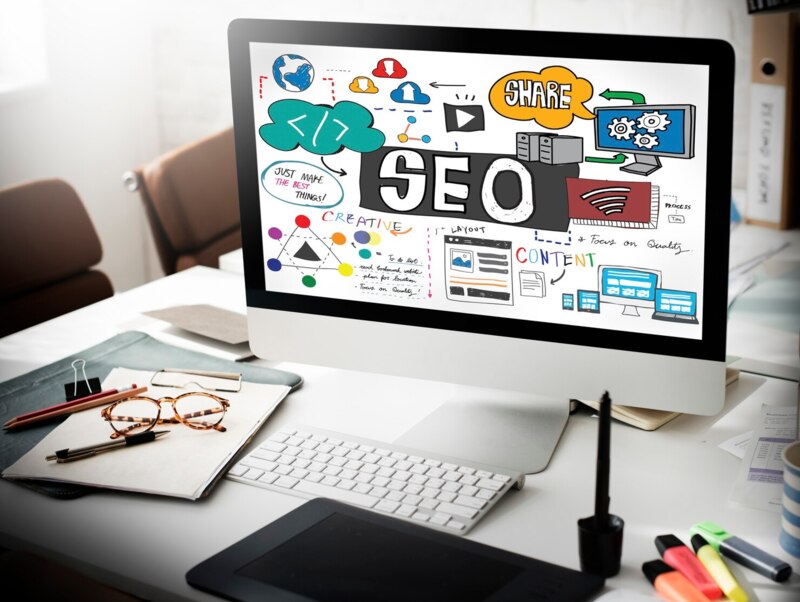
The 4 Types of SEO Every Business Should Know
On-page SEO
Optimizing individual pages to match search intent using headings, internal links, keyword targeting, and clear, original content.
Off-page SEO
Building trust signals like backlinks, brand mentions, and authoritative references.
Technical SEO
Improving how search engines crawl and understand your site, site speed, mobile usability, structured data, indexing, and site architecture.
Local SEO
Optimizing for geographic searches and map visibility using Google Business Profile, citations, reviews, location pages, and local relevance signals.
Why Local SEO Services Matter for Small and Mid-Sized Businesses
Local SEO is often the difference between being discovered and being invisible, especially for service businesses and regional brands. Searchers with local intent are often close to purchasing, making local SEO high-value traffic.
Strong local SEO services typically include:
- Google Business Profile optimization
- Review the generation strategy
- Local landing pages
- Consistent name/address/phone listings (citations)
- Local content and backlinks that build geographic relevance
For businesses in Miami, local SEO becomes even more important because competition is dense and search demand is high year-round.
What Is SEM? Understanding Search Engine Marketing
SEM is the paid side of search marketing. It usually refers to running ads that appear in search results when someone searches keywords related to your business. This is most commonly done through platforms like Google Ads.SEM’s key advantage is immediacy: you can launch a campaign and begin showing up for high-intent searches quickly. Forbes Advisor describes SEM as improving how customers find your product or service on search engines through paid advertising.
Common SEM Channels and Ad Types
- Search ads: text ads that appear above or below organic results
- Display ads: visual placements across sites in the ad network
- Shopping ads: product-driven ads with pricing and photos
- Remarketing ads: ads targeting people who previously visited your site
How SEM Delivers Faster Results Than SEO

SEM can begin generating traffic within hours or days because you’re buying placement. But it’s not “set it and forget it.” SEM requires:
- keyword selection and intent matching
- ad testing and relevance tuning
- landing page optimization
- budget management and bid adjustments
Once you stop paying, visibility stops. That’s why SEM is best used as an engine for immediate lead flow—and why SEO is often the long-term stability channel.
SEO and SEM in Digital Marketing: How They Work Together
SEO and SEM perform best when they reinforce each other:
- SEM reveals which keywords drive conversions fastest
- SEO can target those same topics for long-term rankings
- SEO content improves landing page quality, which supports SEM performance
- SEM can protect branded search and fill gaps while SEO grows
This approach—integrating seo, sem digital marketing—lets businesses avoid over-depending on either channel.
SEO vs SEM for Different Business Goals
Choose SEO when your goal is:
- building brand authority
- lowering long-term acquisition costs
- generating steady traffic without paying for every click
- establishing trust and visibility for competitive local searches
Choose SEM when your goal is:
- immediate leads and calls
- launching new services
- testing conversion messaging quickly
- targeting high-intent keywords your site can’t rank for yet
For most businesses, the best answer is not SEO or SEM—it’s sequencing and balance.
SEO vs SEM vs SMO: What’s the Difference?
These are different channels, even though they overlap in strategy.
- SEO: earning organic search visibility
- SEM: buying visibility through paid search advertising
- SMO (Social Media Optimization): improving reach and engagement on social platforms through optimized content, posting strategy, and platform-specific tactics
A complete digital marketing strategy usually includes all three—but search remains the strongest channel for capturing high-intent buyers.
SEO Specialist vs SEM Specialist: What’s the Difference?
An SEO specialist typically focuses on:
- technical audits and fixes
- keyword and content strategy
- internal linking and structure
- on-page optimization
- local SEO execution and reputation signals
An SEM specialist typically focuses on:
- campaign strategy and budgeting
- keyword bidding and match types
- ad copy testing
- landing page conversion optimization
- quality score and paid performance reporting
Both roles can overlap, but their day-to-day goals and metrics are different.
Frequently Asked Questions
What is the key difference between SEO and SEM?
The key difference is that SEO builds long-term visibility through organic search rankings, while SEM drives immediate visibility through paid search advertising, making both essential parts of a complete SEO/SEM marketing strategy.
Is SEO considered SEM?
Historically, SEM sometimes referred to both paid and organic search efforts, but in today’s SEO SEM digital marketing landscape, SEM is most commonly used to mean paid search advertising, while SEO remains a separate strategy focused on organic rankings.
What are the 4 types of SEO?
On-page SEO, off-page SEO, technical SEO, and local SEO.
What is the difference between an SEO and a SEM specialist?
SEO specialists focus on organic ranking and site optimization; SEM specialists manage paid search campaigns and performance.
What is SEO vs SMO vs SEM?
SEO is organic search optimization, SEM is paid search marketing, and SMO is optimizing for social media visibility and engagement.

Build a Smarter SEO and SEM Strategy in Miami, FL
If you’re serious about sustainable growth, your strategy needs to match how search actually works today. SEO builds authority and long-term visibility. SEM gets you immediate traffic for high-intent searches. Together, they create stability, speed, and full-market coverage.
For businesses in Miami, FL, investing in local SEO services and performance-driven search campaigns is one of the fastest ways to compete in a crowded market, especially when you’re up against national brands and aggressive ad spend.
Miami Website Design Professionals helps businesses align SEO, SEM, and conversion strategy so search doesn’t just drive traffic—it drives revenue. If you want to know which channel you need first (or how to combine them efficiently), the next step is a strategy review based on your goals, competition, and market demand.